


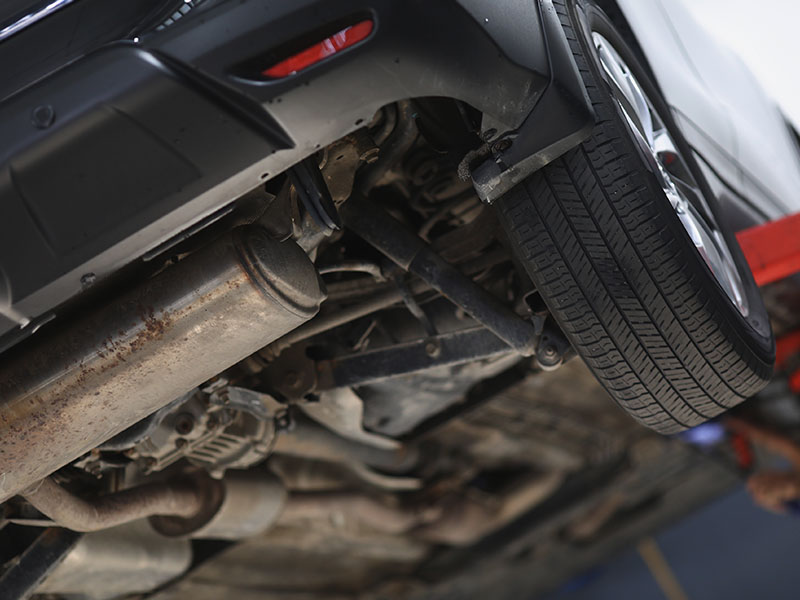
A minor accident can leave you with damage that seems easy to dismiss, especially when your vehicle still looks normal and drives. Then you get back on the road and notice the steering wheel wants to drift left or right instead of keeping you centered in your lane.
If your car is pulling after an accident, it’s worth paying attention. A curb impact, pothole, or low-speed collision can affect alignment, suspension parts, tires, or even the vehicle’s frame. Understanding what may be causing the problem can help you recognize when it’s time to have your vehicle professionally inspected.
Why Is Your Car Pulling After an Accident?
When your vehicle starts pulling to one side after an accident, something may have changed in the wheels, suspension, steering, or frame. Even a relatively small impact can affect the parts that help your vehicle drive straight.
You may notice the issue most clearly on a straight, level road. Instead of continuing forward naturally, your vehicle may drift toward one side and require you to keep correcting the steering wheel.
Not every pulling problem has the same cause. That’s why it’s important to look at the vehicle as a whole rather than assume a simple alignment adjustment will automatically solve the problem.
A Minor Impact Can Affect More Than You See
It’s easy to judge accident damage by what you can see from the outside. A scratched bumper, bent wheel, or small dent may look like the full extent of the problem, but the force from an impact can affect several connected parts of your vehicle.
Your wheels, tires, steering, and suspension all work together to keep the vehicle moving in the direction you want. If a pothole, curb strike, or collision changes the position of one of those parts, you may feel the difference through the steering wheel even when there isn’t major visible body damage.
This is one reason collision repair involves more than restoring appearance. When your vehicle drives differently after an accident, finding the source of that change is an important part of determining the right repair.
Common Reasons a Vehicle Pulls to One Side
A vehicle that drifts after an impact doesn’t automatically have severe damage. Several different issues can create a similar driving sensation, ranging from tire problems to changes in the suspension or frame.
Common causes of pulling after an accident include:
- Wheel alignment changes
- Tire or wheel damage
- Bent suspension parts
- Steering damage
- Uneven tire pressure
- Vehicle frame damage
Because these problems can feel similar from behind the wheel, guessing at the cause isn’t the best approach. A professional inspection can help determine which part of the vehicle was actually affected.
Wheel Alignment May Have Changed
Wheel alignment helps make sure your wheels are pointing in the right direction and working together properly. An impact with a curb, pothole, or another vehicle can change that alignment enough to make your car drift to one side.
You may also notice that the steering wheel no longer sits straight when you’re driving forward. Uneven tire wear can develop over time if the alignment stays off, which can add another problem to what first seemed like a minor issue.
An alignment may be straightforward to correct when there isn’t other damage. If the vehicle still doesn’t drive straight, though, the suspension or frame may need a closer look.
A Tire or Wheel May Have Taken the Impact
Your tires and wheels are often among the first parts affected when you hit a pothole or curb. A damaged tire or wheel can change how your vehicle drives even when the impact doesn’t leave obvious body damage.
Tire pressure can also contribute to pulling. If one tire loses air after an impact, the difference in pressure can affect handling and may make the problem feel similar to poor wheel alignment.
Because tire, wheel, and suspension issues can create similar symptoms, it helps to have the affected area inspected as a whole. That way, you aren’t correcting one problem while another goes unnoticed.
Suspension Parts Can Be Damaged
Your suspension helps keep the tires in the right position while allowing the vehicle to handle bumps, turns, and changes in the road. A collision or hard curb impact can damage suspension parts and change how the vehicle handles.
If you notice a change in steering or ride quality after an accident, suspension repair may need to be considered. The goal is to find out whether damaged suspension parts are contributing to the pulling rather than assume the issue begins and ends with wheel alignment.
That’s especially important when the problem starts immediately after an impact. A vehicle that suddenly drives differently is giving you a reason to have the affected systems checked.
Suspension Damage Signs You Shouldn’t Ignore
Pulling to one side is only one possible clue that your suspension has been affected. Other changes can show up in the way your vehicle steers, rides, or sits when parked.
Watch for these suspension damage signs after an accident:
- New pulling or drifting
- Uneven tire wear
- Excessive bouncing
- Difficult or unusual steering
- A vehicle that sits unevenly
- New noises over bumps
These symptoms don’t tell you exactly which part needs attention, and some can have causes outside the suspension. What they do tell you is that the way your vehicle drives has changed and deserves a closer look.
If several symptoms appear at the same time, an inspection becomes even more useful. Finding the actual source of the problem helps avoid replacing parts that aren’t responsible for the way your vehicle is behaving.
Could the Vehicle Frame Be Causing the Pull?
Sometimes a vehicle continues to pull even after wheel alignment has been addressed. When that happens after a collision, it may be worth checking whether the frame or another structural part of the vehicle is contributing to the problem.
Your vehicle’s frame and structure help keep major parts, including the suspension, in the right position. If an impact shifts part of that structure, it can affect how the wheels and suspension line up.
Persistent pulling doesn’t automatically mean you have frame damage. However, if your vehicle still won’t drive straight after an accident, our team can inspect it for structural issues and determine whether frame damage repair needs to be part of the conversation.
That distinction matters because a routine alignment and a frame repair address different problems. Finding out which one you’re dealing with can help prevent repeated attempts to correct the same symptom.
What Is Frame Alignment Repair?
Frame alignment repair corrects parts of the vehicle’s frame or structure that were shifted during a collision. This is different from a standard wheel alignment, which focuses on the position of the wheels.
Your vehicle’s frame and structure help keep the suspension, wheels, and other major parts in the right place. If part of that structure has moved, adjusting the wheels alone may not correct the underlying problem.
When frame damage is suspected, our team can evaluate the vehicle and determine what needs to be corrected. Frame damage repair is intended to address those structural concerns when repair is appropriate.
For you, the main difference is simple. Wheel alignment deals with the wheels, while frame or structural repair addresses the part of the vehicle those components depend on.
Why Pulling Can Become More Noticeable Over Time
You may first notice only a slight drift and decide it’s manageable. However, continuing to drive with an unresolved tire, alignment, suspension, or frame issue can allow other symptoms to become more noticeable.
Poor alignment, for example, can contribute to uneven tire wear. A damaged suspension part can also change the way your vehicle responds to bumps, turns, or steering.
The important thing is not to assume a small symptom always has a small cause. If your vehicle drove straight before an accident and started pulling afterward, that change is useful information and a good reason to schedule an inspection.
Having the issue checked sooner can also make it easier to connect the symptoms to the original impact. Waiting until additional tire wear or handling problems develop can make the situation more frustrating.
Why a Quick Alignment Isn’t Always the Complete Answer
When your car pulls, wheel alignment is often the first thing that comes to mind. Checking alignment can make sense, but after an accident it shouldn’t automatically be treated as the only possible solution.
If a suspension part is damaged or the vehicle has frame damage, changing the wheel alignment without fixing the underlying problem may not correct the way the vehicle drives. You could still notice the same pull or find that the problem returns.
A better approach is to determine why the vehicle started pulling in the first place. After a collision, curb strike, or hard pothole impact, that means considering the tires, wheels, suspension, steering, and frame rather than focusing on one adjustment.
This can save you from chasing the same symptom through multiple repairs. The goal is to correct the source of the problem, not simply make the steering feel better for a short time.
What Should You Do If Your Vehicle Starts Pulling?
If you notice a new pull after an accident, pothole, or curb impact, start by paying attention to when and how it happens. You don’t need to diagnose the vehicle yourself, but a few observations can help you explain the problem clearly when you bring it in.
Before your inspection, make note of:
- Which direction the vehicle pulls
- Whether the steering wheel sits off-center
- When you first noticed the change
- Whether you hear new noises
- Whether the ride feels different
Avoid getting used to holding the steering wheel against the pull and treating it as normal. If you constantly have to correct the vehicle to keep it moving straight, that’s useful information for the repair team.
When you bring your vehicle in, explain what changed after the impact rather than trying to identify the damaged part yourself. That gives us a clearer starting point for finding what’s actually causing the problem.
How We Evaluate Accident-Related Handling Problems
When you bring your vehicle to Mudgett’s Auto Body after a collision, we know the visible damage isn’t always the whole story. If you tell us the vehicle started pulling, steering differently, or handling poorly after the accident, those changes help us understand what needs closer attention.
Our team can look at the suspension, frame, and other areas that may be affecting how your vehicle drives after an impact. By evaluating the problem as part of the overall repair, we can help determine whether the pulling is related to alignment, suspension damage, frame damage, or another issue.
We also believe you should understand what’s happening with your vehicle without needing an automotive background. Whether the issue involves alignment, suspension, or frame damage, we can explain how the findings relate to the symptoms you’ve been noticing.
When Should You Have the Vehicle Inspected?
You don’t need to wait until the vehicle becomes difficult to control before scheduling an inspection. If pulling or another handling change begins right after an accident, curb strike, pothole impact, or similar incident, it makes sense to have the cause identified.
That’s especially true if the pulling is accompanied by uneven tire wear, unusual steering, new suspension noises, or visible changes around a wheel or body panel. Several symptoms appearing together can be a sign that more than one area needs attention.
Even if the collision looked minor, the way your vehicle drives afterward matters. Paying attention to those changes gives you an opportunity to address damage that may not have been obvious when you first looked at the vehicle.
Get to the Bottom of Why Your Car Is Pulling
If your car is pulling after an accident, don’t assume you simply need to live with an off-center steering wheel or schedule a quick alignment without knowing what caused the problem. Changes involving the tires, wheel alignment, suspension, steering, or vehicle frame can all affect how your car drives down the road.
Our team at Mudgett’s Auto Body provides collision, suspension, and frame repair services and can help identify accident-related damage that may be affecting how your vehicle drives. We’ll focus on finding the source of the problem so you can better understand what your vehicle needs.
If your vehicle has been pulling or handling differently since an accident, contact Mudgett’s Auto Body to schedule an evaluation and find out what may be causing the problem.