

Fall in Maryland brings increased deer movement, especially during the early morning and evening hours. That creates a greater collision risk on rural roads, wooded routes, and suburban streets where deer frequently cross.
You can’t predict when a deer will enter the roadway, but you can reduce your risk and respond more safely when one appears. Knowing what to do before, during, and after a deer collision can help protect you, your passengers, and your vehicle.
Why Deer Collision Risk Increases in Maryland During Fall
Maryland’s white-tailed deer breeding season begins in mid-October and continues into mid-December, with peak activity during the first half of November. During this period, deer move more frequently as they search for mates.
That increased activity often brings deer across roads at unexpected times. The risk isn’t limited to rural areas either. Deer are also common near suburban neighborhoods, parks, streams, wooded corridors, and open fields.
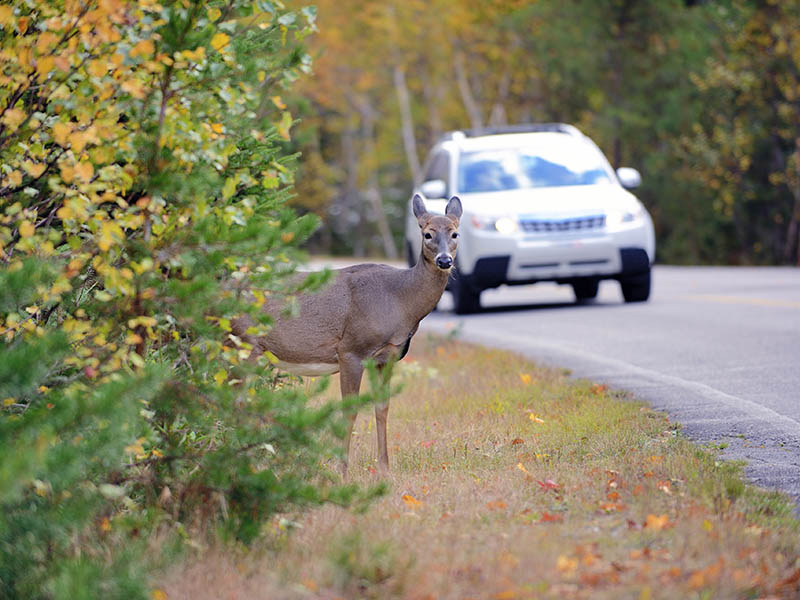
Dawn and dusk deserve extra attention because deer are often active when visibility is already reduced. A deer standing near the shoulder can be difficult to see until you’re close, which leaves less time to react.
How to Reduce Your Chances of Hitting a Deer
You can’t control where deer travel, but you can give yourself more time to respond. Slowing down, reducing distractions, and improving visibility can make a meaningful difference during Maryland deer season.
Slow Down and Scan the Roadside
Reduce your speed when traveling through wooded areas, near open fields, or past deer crossing signs. A lower speed gives you more time to identify movement and brake safely.
At night, keep your windshield and headlights clean and use your high beams when it’s legal and safe. Scan the shoulders and tree lines instead of focusing only on the center of your lane.
Expect More Than One Deer
If one deer crosses the road, don’t immediately accelerate. Deer often travel in groups, so another animal may follow seconds later.
Continue watching both sides of the roadway before returning to normal speed. Pay particular attention to the area where the first deer came from.
Limit Distractions
A phone notification, navigation adjustment, or quick glance away from the road can take your attention at exactly the wrong moment. That becomes especially risky on dark roads bordered by woods or fields.
Keep your focus on the roadway when driving through areas where deer are likely to appear. A few extra seconds of reaction time can help you brake in a more controlled way.
What to Do If a Deer Enters the Road
Your first instinct may be to swerve around the animal, but a sudden steering movement can create a more serious crash. You could enter another lane, leave the roadway, or strike a fixed object.
If a deer appears in your path, brake firmly while keeping your vehicle as straight and controlled as possible. Your exact response will depend on your speed, road conditions, traffic, and available stopping distance.
Don’t rely on deer whistles or other deterrent devices in place of attentive driving. Deer can stop suddenly, change direction, or follow another animal into the road, so speed control and visibility remain your best defenses.
What to Do After a Deer Collision
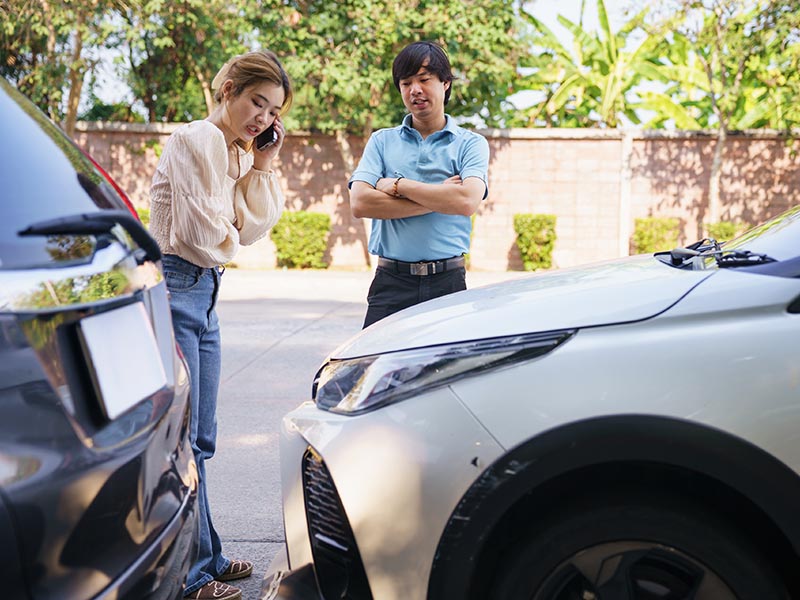
After hitting a deer, focus first on your safety and the safety of everyone around you. Vehicle damage can be addressed once you’re out of immediate danger.
Use this quick checklist:
- Move somewhere safe.
- Turn on your hazards.
- Check for injuries.
- Call 911 if needed.
- Stay away from the deer.
- Take photos if safe.
- Arrange towing if necessary.
Contact law enforcement if someone is injured, your vehicle can’t be moved safely, or the deer creates a hazard in the roadway. Don’t approach an injured deer because even an animal that appears still may react suddenly.
You should also think carefully before driving the vehicle away. A deer strike can damage parts that aren’t immediately visible.
Know When Your Vehicle Shouldn’t Be Driven
A vehicle may still start and move after a deer collision while having damage that makes it unsafe to drive. Problems behind the bumper or grille can affect cooling, steering, lighting, or other systems.
Watch for these warning signs:
- Fluid leaks
- Overheating
- Damaged lights
- Tire or wheel damage
- Steering problems
- New warning lights
If you notice any of these issues, towing is usually safer than continuing your trip. You should also stop driving if the vehicle suddenly pulls, vibrates, makes unusual noises, or feels significantly different after impact.
Common Damage After Hitting a Deer
The front of the vehicle often absorbs most of the impact during a deer collision. Visible damage may include the bumper, grille, hood, fenders, headlights, and paint.
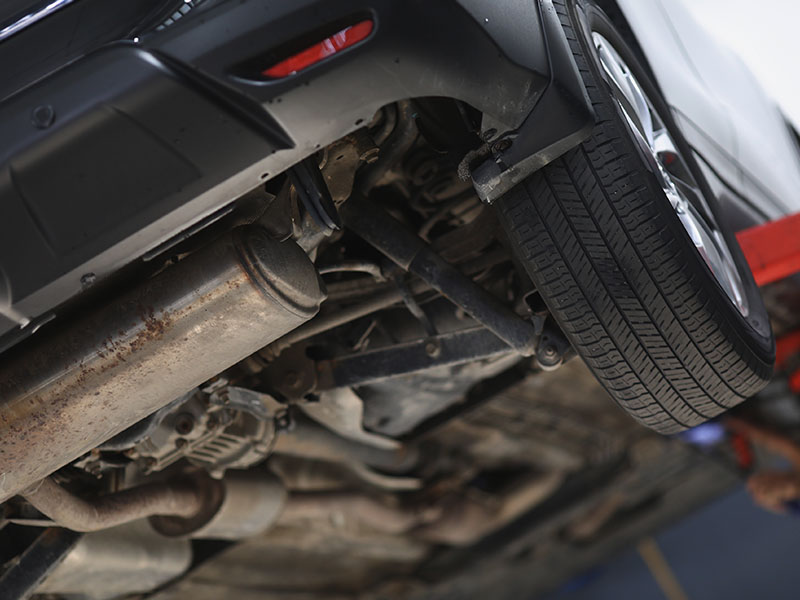
The damage can also extend beneath those exterior panels. That’s why the condition of the vehicle can’t always be judged from what you see at the roadside.
Cooling, Steering, and Suspension Damage
The radiator, condenser, cooling fans, and related supports are located behind the front bumper and grille on many vehicles. A collision that looks cosmetic can still affect these components.
A deer strike near one corner of the vehicle may also damage a tire, wheel, steering component, or suspension part. Pulling, vibration, or changes in steering feel should be inspected before you return to normal driving.
Sensors and Driver-Assistance Systems
Many newer vehicles have cameras, radar units, parking sensors, and other electronics installed in or near bumpers, grilles, and exterior panels. Damage in these areas can affect the operation of driver-assistance systems.
Depending on the vehicle and repair procedure, some components may need inspection or calibration after repairs. Not every deer collision damages these systems, but they shouldn’t be overlooked when surrounding parts have been hit.
Why a Professional Collision Inspection Matters
It’s easy to assume a deer collision is minor when the bumper is still attached and the vehicle appears drivable. The problem is that exterior panels can hide broken brackets, damaged supports, cooling system problems, and other issues.
A professional collision inspection helps determine the actual extent of the damage. Instead of focusing only on dents and scratches, technicians can evaluate the systems and components behind the affected area.
Mudgett’s Auto Body provides collision repair for drivers dealing with deer strikes and other accidents. Our services include auto body repair, paint repair, bumper and dent repair, frame-related repairs, tires and alignments, and towing support.
For drivers in Carroll County and surrounding Maryland communities, that means you can have both visible and less obvious collision damage evaluated as part of the repair process.
Make the Repair Process Easier
You don’t need to diagnose the vehicle yourself after hitting a deer. You can help the repair process, however, by documenting the damage and clearly describing any changes you noticed after impact.
Take photos of the damaged areas when it’s safe to do so. You should also record the approximate location, time, and direction of travel, along with any warning lights, leaks, noises, steering changes, or other symptoms.
Describe What Changed
When speaking with the repair shop, explain what you’re experiencing rather than guessing which part is damaged. For example, saying that the vehicle started pulling after the collision gives the technician more useful information than assuming you only need an alignment.
The same approach works for overheating, vibrations, warning lights, or unusual sounds. Describing when the symptom started can help guide the inspection.
Understand the Repair Plan
Ask what areas were inspected and what repairs are being recommended. Depending on the collision, the work may involve body repair, refinishing, structural measurements, suspension or wheel service, or attention to electronic sensors.
Additional damage can sometimes become visible after exterior panels are removed. If that happens, the repair estimate may need to be updated before work continues.
You also have the right to choose your collision repair facility when working through an insurance claim. An insurer may recommend shops, but the final choice of repair facility is yours.
Stay Safer During Maryland Deer Collision Season
You can’t eliminate the chance of encountering a deer, but you can reduce the risk by slowing down in known deer areas, staying focused, and keeping control of your vehicle if an animal appears.
If a collision does happen, don’t assume visible damage tells the whole story. Mudgett’s Auto Body can inspect your vehicle, identify the repairs it needs, and help you understand the next steps. If your vehicle has been damaged in a deer collision, contact our team to schedule an inspection and start the repair process.