

Your car’s paint does more than make it look good. It acts as the first line of defense against rust, corrosion, and the environmental wear that degrades your vehicle’s body panels over time. When paint damage occurs, it doesn’t just affect appearances. It can reduce resale value, accelerate corrosion, and lead to repairs that are far more expensive than prevention would have been.
The good news is that most paint damage isn’t random bad luck. It comes from specific, identifiable causes, and once you understand what they are, you can take practical steps to protect your vehicle. Having seen automotive paint damage in all its forms, our team at Mudgett’s Auto Body knows which causes are most common and most preventable.
This guide walks you through the five most frequent culprits behind paint damage and what you can do to keep your vehicle looking its best for years to come.
1. UV Radiation and Environmental Exposure
One of the most relentless forms of paint damage is the kind you can’t see happening in real time. UV radiation from the sun breaks down the chemical bonds in your car’s clear coat and base coat over time, causing the paint to fade, oxidize, and eventually peel. This process is gradual, but it’s cumulative, and by the time it’s visible, significant damage has already occurred beneath the surface.
Heat amplifies the problem considerably. When your car sits in direct sunlight for extended periods, the surface temperature of the paint can reach levels that accelerate the breakdown of protective coatings. Areas with the most sun exposure, such as the hood and roof, tend to show UV damage first and most severely.
How to Protect Against UV Damage
A few consistent habits go a long way toward shielding your paint from UV exposure:
- Park in a garage, covered structure, or shaded area whenever possible
- Use a quality car cover during extended periods of outdoor storage or sun exposure
- Apply a coat of wax regularly to create a protective barrier over the clear coat
- Consider a ceramic coating for longer-lasting protection that can hold up for years with proper care
Making UV protection a routine part of your vehicle maintenance is one of the most cost-effective ways to extend the life of your paint and preserve your car’s appearance over the long term.
2. Bird Droppings and Tree Sap
It might seem like a minor annoyance, but bird droppings are one of the most damaging substances your paint encounters regularly. They’re highly acidic, and when they sit on your car’s surface, especially in warm weather, the acid etches into the clear coat and, in more severe cases, the base coat beneath. The longer they sit, the deeper the damage goes.
Tree sap presents a similar problem. Fresh sap is sticky and difficult to remove, but once it hardens in the heat, it becomes significantly more challenging to clean without scratching the paint. Like bird droppings, tree sap is acidic and can cause chemical etching when left on the surface for too long. Both substances are deceptively destructive for something so easy to overlook.
The Right Way to Remove These Contaminants
The solution is straightforward: remove these contaminants as soon as you notice them. Use a soft microfiber cloth and a dedicated automotive cleaner or detailing spray. Never use a dry cloth or paper towel, as these can drag abrasive particles across the paint surface and compound the damage you’re trying to fix. For hardened sap, a product specifically designed for sap removal will soften the residue without requiring the kind of aggressive scrubbing that scratches paint.
Parking away from trees when possible is another practical precaution. It won’t eliminate the risk, but it reduces the frequency of contact with droppings and sap, which means less cumulative chemical damage over time.
3. Rock Chips, Road Debris, and Sand Abrasion
If you’ve ever driven behind a truck on a gravel road or noticed small chips appearing on the front of your hood and bumper after a highway trip, you’ve experienced the effects of road debris firsthand. High-speed impacts from small rocks, sand particles, and other debris can break through the clear coat and into the base coat, creating entry points for moisture and eventually rust.
Rock chips are particularly concerning because they’re often small enough to be overlooked until rust begins to form around them. Once rust takes hold beneath the paint, it can spread aggressively, turning what started as a hairline chip into a much larger and costlier body repair.
Reducing Your Exposure
Maintaining a safe following distance from large trucks, gravel-hauling vehicles, and heavy construction equipment is one of the most effective driving habits for reducing your exposure to road debris. At highway speeds, the impact force of even small stones is surprisingly significant.
Paint protection film (PPF) is worth considering for high-impact areas like the front bumper, hood, and side mirrors. This clear, self-healing film absorbs the impact of small debris before it can reach your paint, and modern versions are nearly invisible to the naked eye. It’s a particularly smart investment for newer vehicles where protecting the original factory finish is a priority from day one.
4. Improper Washing and Waxing Techniques
Ironically, one of the most common sources of paint damage comes from the very process meant to clean and protect your vehicle. Using the wrong materials, techniques, or products while washing or waxing can scratch the clear coat, leave swirl marks, and strip away the protective coatings you’ve worked to maintain.
Automatic car washes with stiff, rotating brushes are a frequent offender. The brushes can hold grit from previous vehicles and drag it across your paint, leaving fine scratches that accumulate over time into a dull, hazy finish. Touchless washes are a safer alternative, though even these rely on strong chemicals that can be harsh on paint if used repeatedly and without follow-up waxing to restore the protective layer.
Best Practices for Safe Washing
Follow these steps to wash your vehicle without causing additional paint damage:
- Rinse the vehicle thoroughly before touching it to remove loose dirt and debris.
- Use two buckets: one with soapy water and one with clean water for rinsing your mitt between passes.
- Wash with a clean, soft microfiber mitt using gentle, straight strokes rather than circular motions.
- Rinse completely and dry immediately with a clean microfiber towel or forced-air dryer to prevent water spots.
- Hard water can leave mineral deposits that bond to the surface and dull the finish over time, so drying promptly is just as important as the washing technique itself.
5. Minor Collisions, Parking Lot Damage, and Door Dings
The everyday reality of driving and parking means your vehicle is regularly exposed to minor impacts that can chip, scratch, or crack the paint. Door dings from neighboring cars in parking lots, shopping cart strikes, and low-speed fender benders are among the most common sources of paint damage that drivers encounter on a routine basis.
These incidents are frustrating partly because they’re largely out of your control. That said, a few strategic habits can meaningfully reduce how often they happen:
- Park in less-congested areas of a lot where other vehicles are less likely to crowd your car
- Choose end spots when possible, so only one side is adjacent to another vehicle
- Avoid tight spaces when roomier alternatives are nearby, even if it means a longer walk
- Use parking sensors or backup cameras to prevent minor contact while maneuvering in confined areas
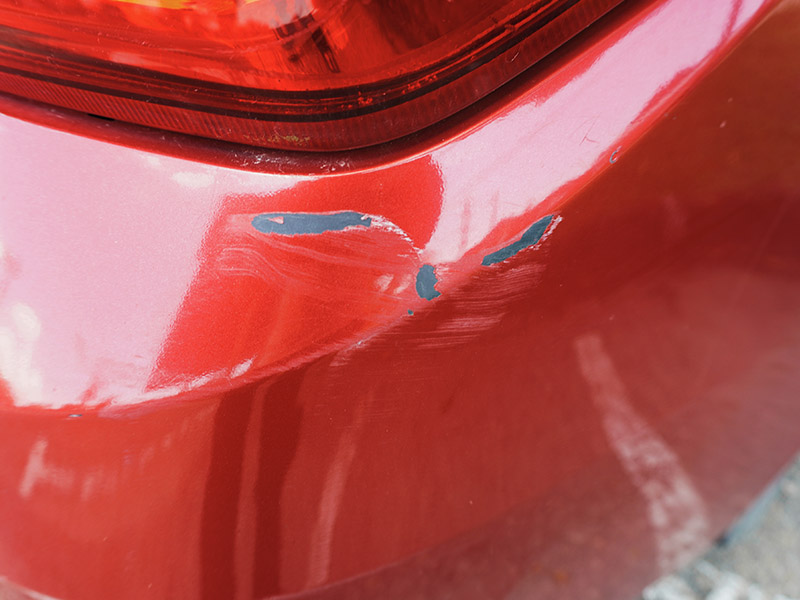
When paint damage from minor impacts does occur, addressing it promptly matters. Small chips and scratches left untreated are vulnerable to moisture intrusion, which leads to rust beneath the surface. Touch-up paint can serve as a temporary fix for minor chips, but for anything more visible or significant, professional repair delivers a more durable and seamless result that holds up over time.
Don’t Let Paint Damage Turn Into a Bigger Repair
Paint damage doesn’t fix itself, and the longer it sits, the more expensive and visible it becomes. The good news is you’re not stuck with it. With the right approach and the right team, even noticeable damage can be corrected to look seamless again.
At Mudgett’s Auto Body, we don’t just cover up paint issues—we restore your vehicle’s finish with precision color matching, high-quality materials, and repair methods built to last. Whether it’s a small chip, fading from years of sun exposure, or more extensive damage, we’ll help you bring your vehicle back to a finish you’re proud to drive.
If you’ve noticed paint damage, now is the time to act. Reach out today to schedule an assessment. We’ll give you straightforward guidance, a clear estimate, and a repair plan that provides real results.