

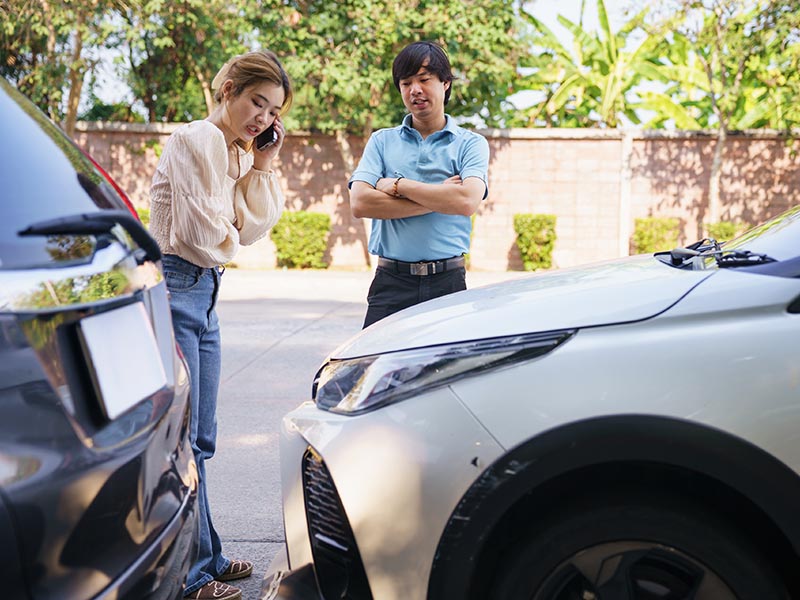
A parking lot accident can happen quickly. You might be backing out of a space, waiting for another vehicle to pass, or driving through a busy shopping center when you suddenly hear the sound of impact.
Even when the damage looks minor, it’s important to take the situation seriously. The steps you take at the scene can make it easier to report the accident, work with your insurance company, and arrange the right collision repairs.
This guide walks you through what to do after a parking lot accident in Maryland, then explains why a professional inspection is often the best next step.
Check for Injuries and Stay Calm
Your first priority is making sure everyone is safe. Stop your vehicle, turn on your hazard lights, and check yourself, your passengers, the other driver, and any nearby pedestrians.
Don’t assume everyone is fine simply because the accident happened at a low speed. Some pain or stiffness may not appear right away, so take any complaints seriously.
Call 911 when:
- Someone is injured
- A pedestrian or cyclist was involved
- The accident created a dangerous situation
- The other driver appears impaired or threatening
When you speak with the dispatcher, give the name and address of the parking lot. Mention the closest store entrance, parking row, or garage level so responders can locate you more easily.
If you begin feeling pain after leaving the scene, seek appropriate medical care. Your well-being should always come before concerns about the vehicle or insurance claim.
Move to a Safer Area When Possible
Once you’ve checked for injuries, look at the traffic moving around you. Parking lots may have lower speeds than public roads, but they can still be busy and unpredictable.
If the vehicles can be moved safely, take a few photos of their original positions before relocating. Then move to an open parking space or another area where you won’t block traffic.
Don’t drive the vehicle if something seems unsafe. A damaged tire, leaking fluid, dragging bumper, unusual steering, or door that won’t close could mean the vehicle needs to be towed.
When you’re unsure, it’s better to request help than risk additional damage. Moving a vehicle with a damaged wheel or loose panel could turn a manageable repair into a more expensive one.
Exchange Information With the Other Driver
As soon as you can, exchange contact, vehicle, and insurance information with the other driver. Complete information can make the insurance process easier and reduce delays later.
You should collect:
- The driver’s full name and phone number
- Driver’s license and license plate information
- Vehicle registration details
- Insurance company and policy information
- The vehicle’s year, make, model, and color
Taking photos of the driver’s license, insurance card, registration, and license plate can help you avoid copying something incorrectly. Before leaving, make sure each image is clear and readable.
If the driver refuses to provide information, can’t show proof of insurance, or leaves the scene, contact law enforcement. Write down the license plate, vehicle description, and direction the driver traveled.
Keep the conversation polite and focused. You don’t need to discuss repair costs or decide who was responsible while you’re still at the scene.
Avoid Admitting Fault
An accident can be stressful, and it’s natural to apologize. However, saying that the accident was your fault could create confusion later.
Avoid statements such as:
- “I didn’t see you.”
- “This was completely my fault.”
- “I’ll pay for all the damage.”
You may not have a complete view of what happened. The other vehicle may have been moving through the lot unexpectedly, crossing parking spaces, or entering an area you couldn’t see.
Stick to a simple description of the event. For example, you could say, “I was backing out when our vehicles made contact.” Insurance companies can review the photos, statements, and other information before making decisions about responsibility. Your job at the scene is to stay calm and record what happened.
Take Clear Photos of the Accident
Photos can help your insurance company and repair shop understand the collision. Take them before the vehicles leave or the scene changes.
Start with wide photos that show both vehicles and the surrounding parking lot. Then take closer pictures of the damage on each vehicle.
Focus on:
- Dents, scratches, and paint transfer
- Cracked lights or loose trim
- Damaged bumpers and wheels
- License plates
- Debris or fluid on the ground
Photographing both vehicles is important. The damage pattern may help show where and how the impact occurred.
You should also take pictures of parking lines, signs, arrows, crosswalks, entrances, and anything that may have blocked your view. These details provide useful context without requiring you to make assumptions about fault.
Decide Whether to Call the Police
You should call 911 when someone is injured, the scene is dangerous, or you believe the other driver may be impaired.
For a minor parking lot accident involving only vehicle damage, an officer may not always respond. You can still call the local non-emergency number when you need guidance.
Contact law enforcement if:
- The other driver refuses to exchange information
- The driver leaves the scene
- Someone becomes threatening
- A driver appears unlicensed or uninsured
- The accident damages a sign, building, or other property
If an officer responds, ask for the incident or report number. Keep that information with your insurance records. A police report may document the people, vehicles, and conditions involved. It doesn’t automatically decide who was responsible, but it can provide a useful record of the event.
Know What to Do With an Unattended Vehicle
If you hit a parked vehicle and the owner isn’t present, don’t simply leave. Check nearby stores or buildings to see whether you can locate the owner.
When you can’t find the person, contact local law enforcement for guidance and leave a note with your name and contact information. Place it somewhere secure and visible.
Take photos of:
- Both vehicles
- The damage
- The location
- The note
- Where you left the note
Don’t leave sensitive information, such as your full insurance policy number, where anyone can see it.
If you return to your own parked vehicle and discover damage, take photos before moving it. Look for a note, ask nearby people whether they saw anything, and contact the property manager about possible video footage.
Notify Your Insurance Company
Report the accident to your insurance company as soon as reasonably possible. Even if the damage looks small, your policy may require prompt notice.
Be prepared to share:
- The date, time, and location
- The other driver’s information
- Photos and videos
- Witness contact details
- The police incident number, if available
Ask for your claim number and the name of the adjuster handling the claim. You can also ask whether your coverage includes towing, a rental vehicle, or other benefits.
Don’t agree to a quick cash payment from the other driver before your vehicle has been inspected. The visible damage may not reflect the full cost of the repair.
Once the claim is open, keep your photos, messages, estimates, and receipts in one place. Staying organized can make the process much easier.
Why Minor Parking Lot Damage Deserves an Inspection
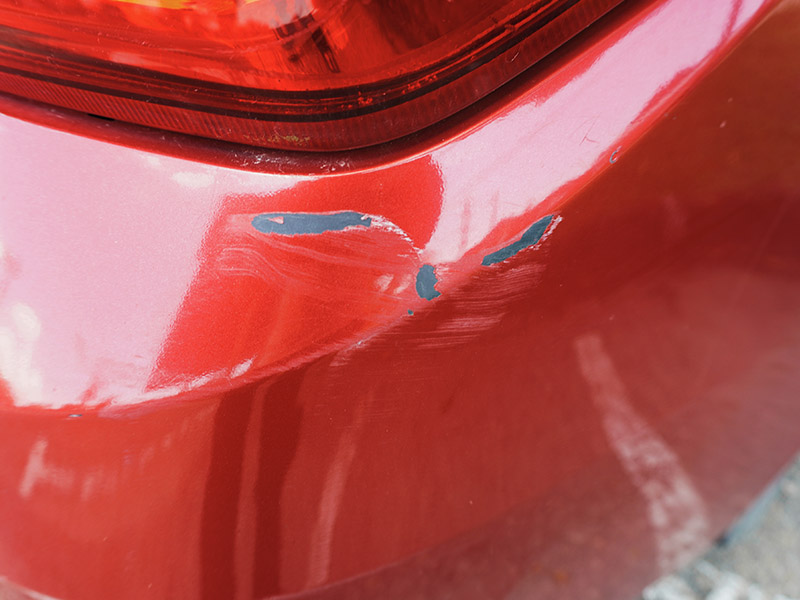
A parking lot accident often looks less serious than a roadway collision. You may see only a scraped bumper, shallow dent, or patch of transferred paint.
However, the outside appearance doesn’t always tell the full story. A bumper can shift out of position, mounting pieces can break, and nearby components can be affected even when the surface damage seems limited.
You may notice:
- A bumper that feels loose
- A panel that no longer lines up
- A trunk or door that closes differently
- A warning light on the dashboard
- A parking sensor or camera that isn’t working properly
You shouldn’t assume the vehicle is fine simply because it still drives. A professional inspection can help you understand whether the damage is only cosmetic or whether the vehicle needs additional attention.
Paint damage should also be addressed. Deep scratches can break through the protective finish and leave the surface underneath exposed to moisture and road salt.
What a Collision Repair Shop Looks For
A professional collision repair shop evaluates more than the most visible dent. The goal is to understand how the impact affected the surrounding area and determine what will restore the vehicle properly.
The auto repair team may check:
- Bumpers and body panels
- Wheels and nearby suspension parts
- Lights, cameras, and parking sensors
- Panel alignment
- Paint damage and exposed surfaces
Not every parking lot accident causes hidden damage, but you can’t always tell by looking at the vehicle from a few feet away. A hands-on assessment gives you a clearer idea of what needs to be repaired.
This is also why an insurance estimate may change after the repair process begins. Some damage becomes visible only after a bumper or exterior panel is removed.
A qualified shop can explain what was found and how it affects the repair plan. That information helps you make a more informed decision about your vehicle.
Choosing a Qualified Maryland Collision Repair Shop
Once you’ve handled the accident report and insurance claim, your attention can shift to restoring your vehicle. The repair shop you choose should communicate clearly, inspect the damage carefully, and help you understand the recommended work.
Mudgett’s Auto Body provides collision repair and automotive painting for Maryland drivers. When you bring your vehicle to us, our team looks at the visible damage and checks the surrounding areas that may have been affected by the impact.
We understand that you may have questions about the damage, the repair process, and your insurance estimate. Our team will explain what we find in clear language so you know what the vehicle needs and what happens next.
Preparing for Your Repair Assessment
Bringing your accident and insurance records can make the initial review easier. These materials help our team understand the circumstances of the collision and compare them with the damage on your vehicle.
Bring the following when available:
- Your insurance claim number
- The insurance estimate
- Accident photos or videos
- The police report or incident number
- Towing or rental information
You don’t need to have every document before contacting us. We can still inspect your vehicle and help you identify the next steps. The sooner the damage is evaluated, the sooner you’ll know whether you’re dealing with a simple cosmetic repair or something more involved.
Get Help With Your Parking Lot Accident Damage
A parking lot collision can be frustrating, but the next steps don’t have to be complicated. Focus first on safety, exchange information, take clear photos, speak with witnesses, and notify your insurance company.
After the immediate details are handled, have your vehicle professionally inspected. Even minor-looking damage can affect the bumper, paint, panel alignment, or nearby components.
Mudgett’s Auto Body is ready to help you move from the uncertainty of the accident to a clear repair plan. We’ll inspect your vehicle, explain the damage, and discuss the collision repair or painting services it may need.
Contact Mudgett’s Auto Body today to schedule a damage assessment and take the next step toward getting your vehicle back in shape.